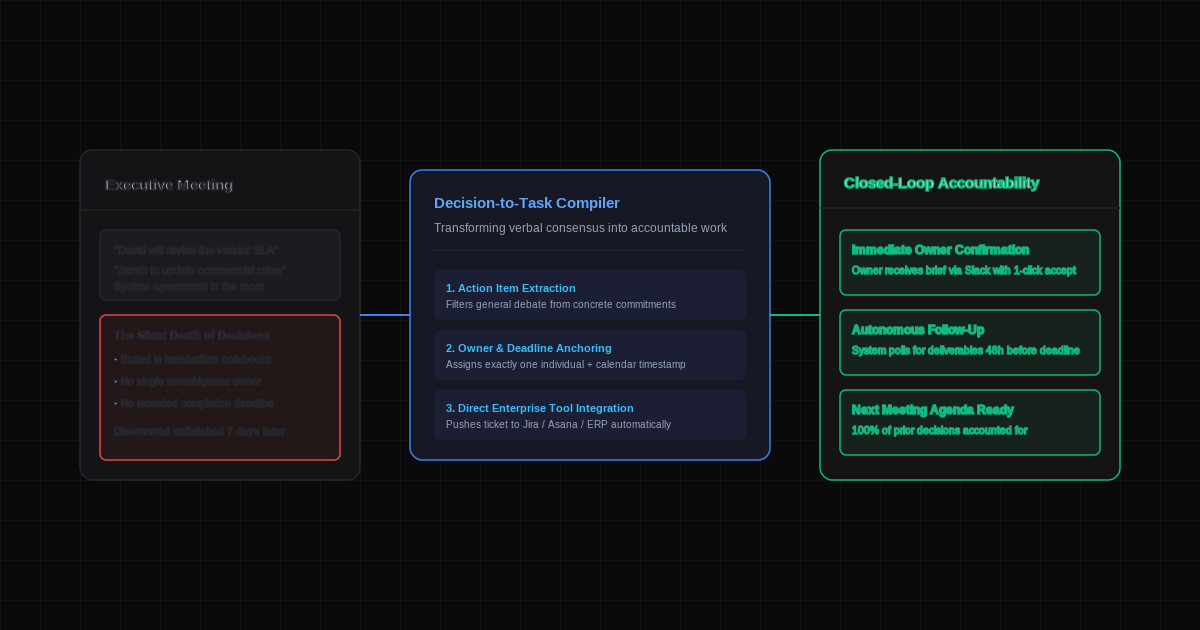
Meeting Follow-Ups: Turning Decisions Into Tasks That Get Done
Decisions voiced out loud in meetings frequently die quietly in personal notebooks. Here is how verbal agreements convert into owned tasks that get executed and verified.
Decisions voiced out loud in meetings frequently die quietly in personal notebooks. Here is how verbal agreements convert into owned tasks that get executed and verified.
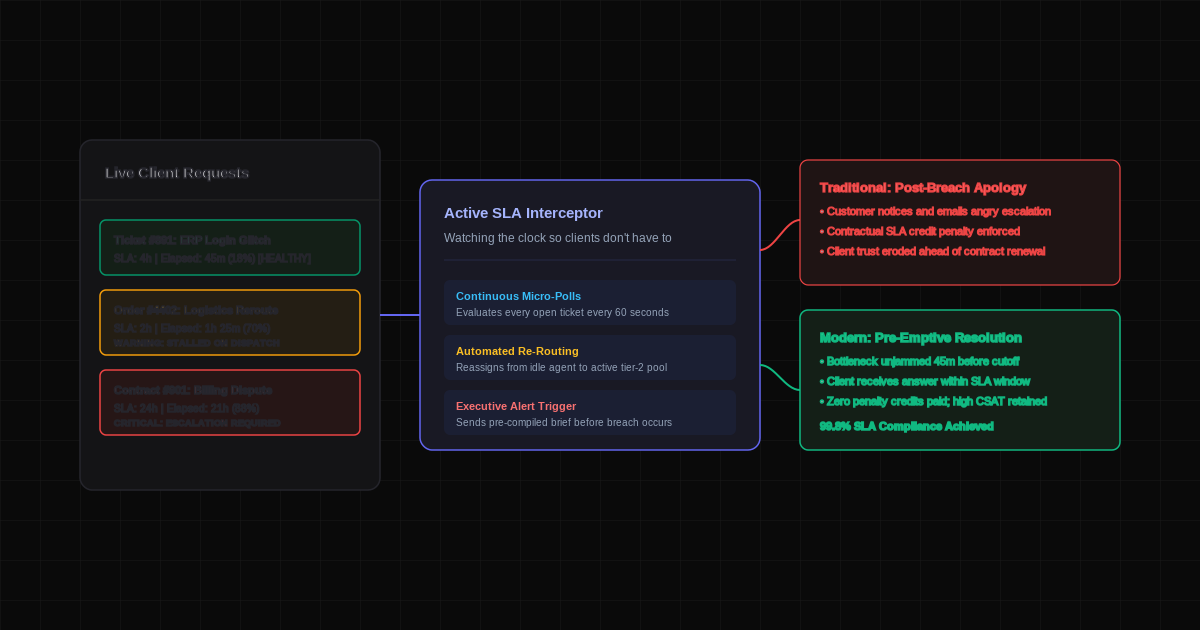
A missed SLA is far cheaper to prevent than to explain after the fact. Here is how continuous countdown tracking catches stalled tickets before the customer complains.
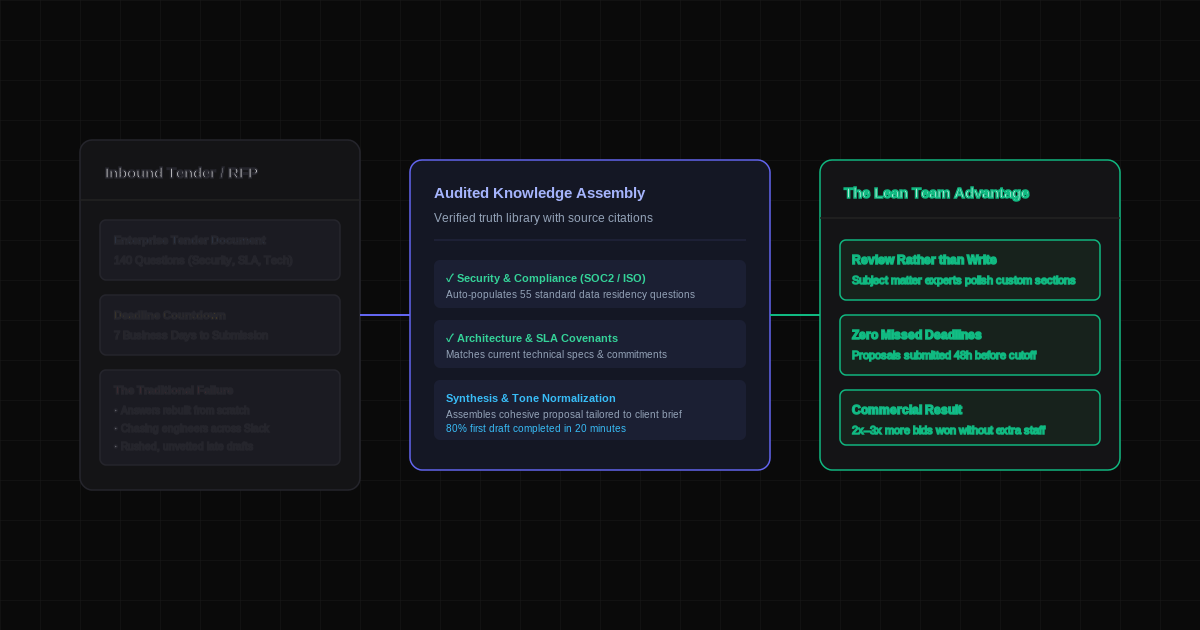
Bids and proposals often slip or get rushed because standard answers get rebuilt from scratch every time. Here is how reusable knowledge and deadline tracking end the scramble.
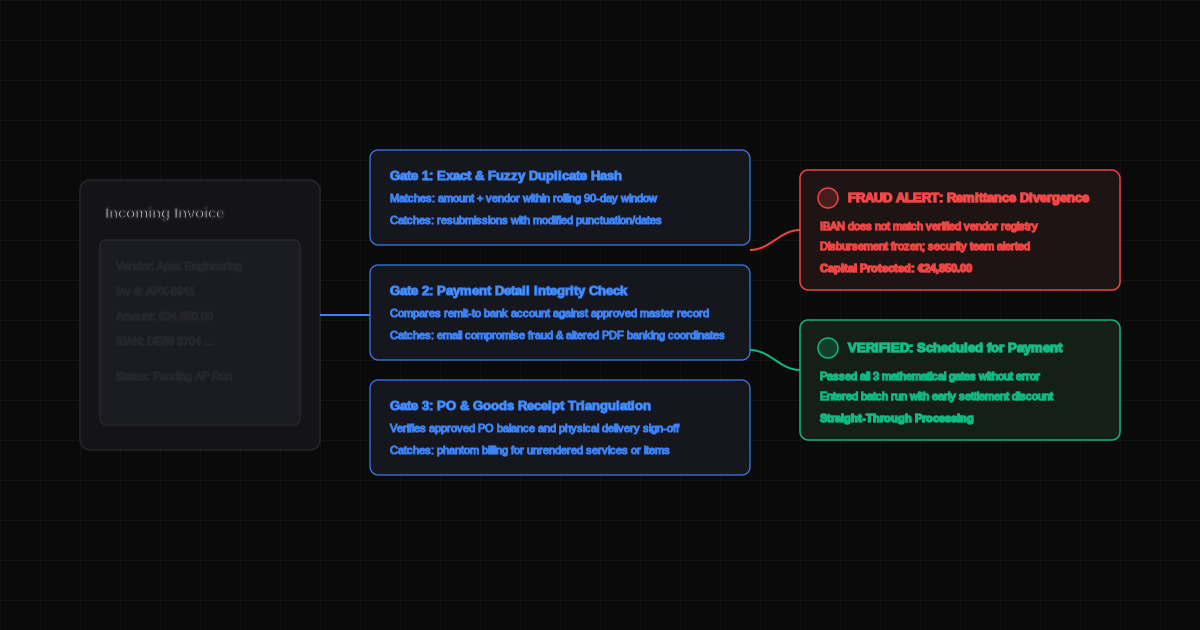
A duplicate or fraudulent invoice that gets paid is money that is genuinely gone, not just delayed. Here are the specific cross-system checks that catch them before disbursement.
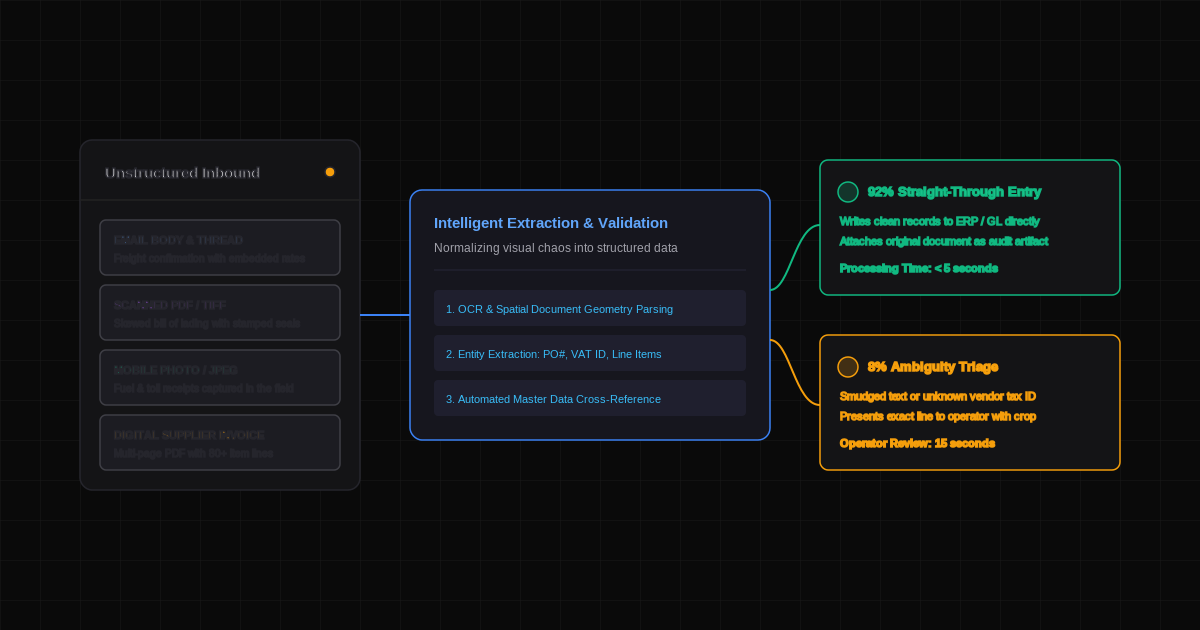
Documents arrive in a business in every possible format — emails, PDFs, scanned images, photos of paper — and someone has to manually read and retype the relevant details into a system. Here is how structured intake replaces manual transcription.
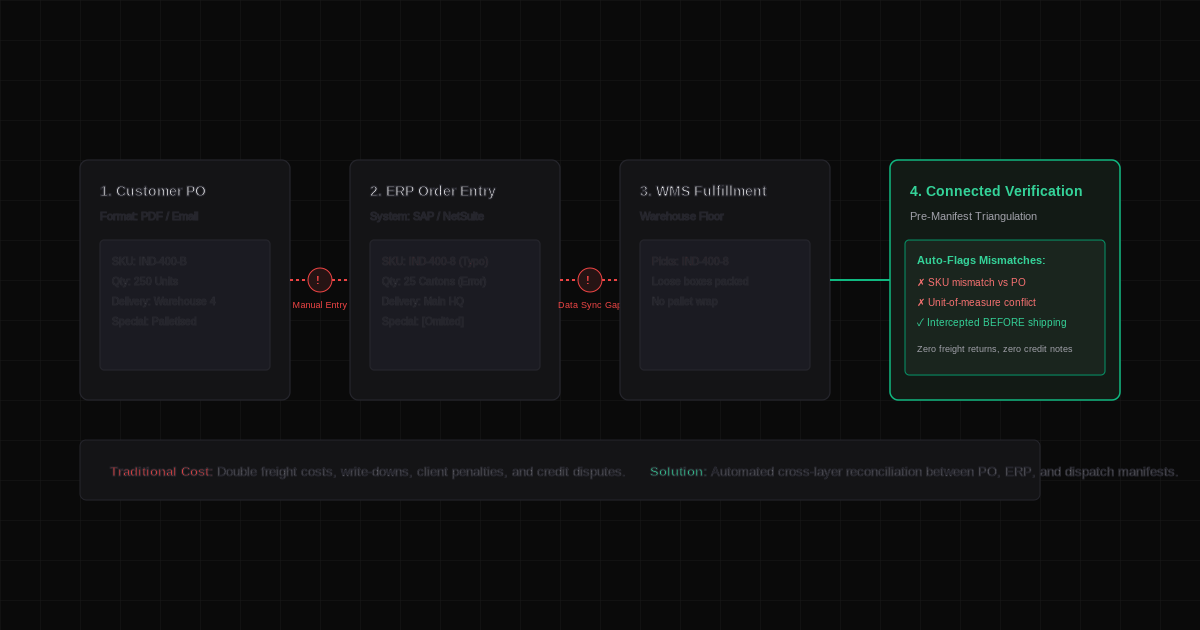
Wrong items shipped and incorrect quantities billed rarely come from warehouse incompetence. They stem from manual transcription across disconnected software.

Routine purchase orders, standard quotes, and basic leave requests queue behind senior executives for days. Here is how to keep operations moving without losing oversight.

Consumer-grade AI seat licenses and metered plans work for individual drafting. Running core operational workloads requires a fundamentally different architecture.
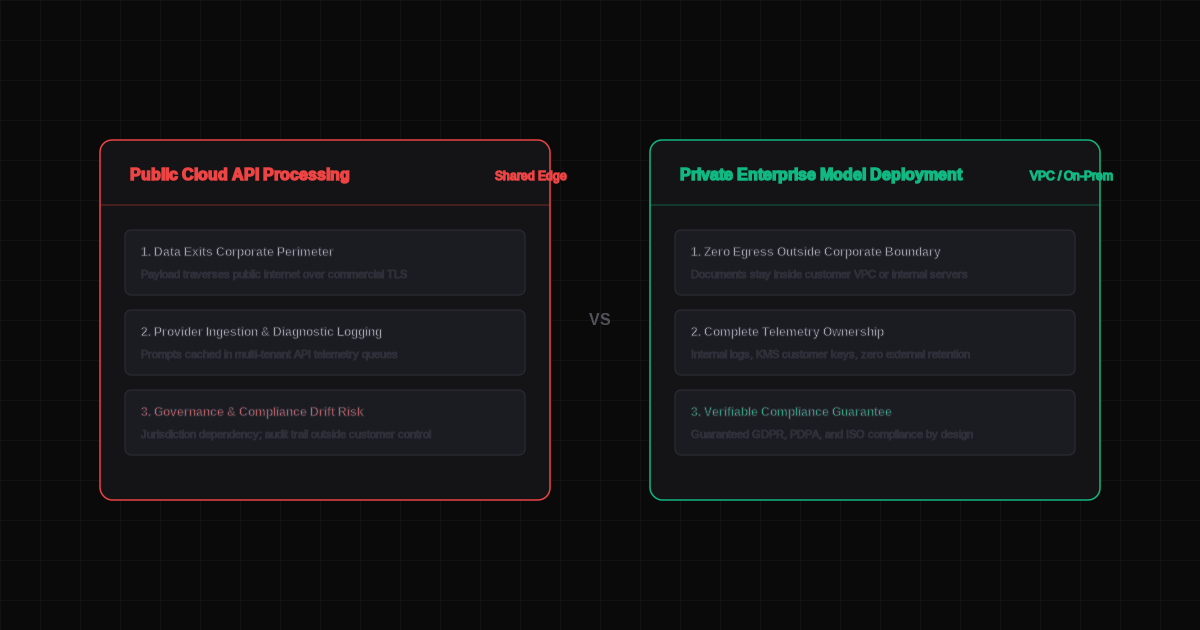
Processing commercial contracts and financial records through public AI APIs carries structural tradeoffs. Here is a clear breakdown of private versus public architecture.
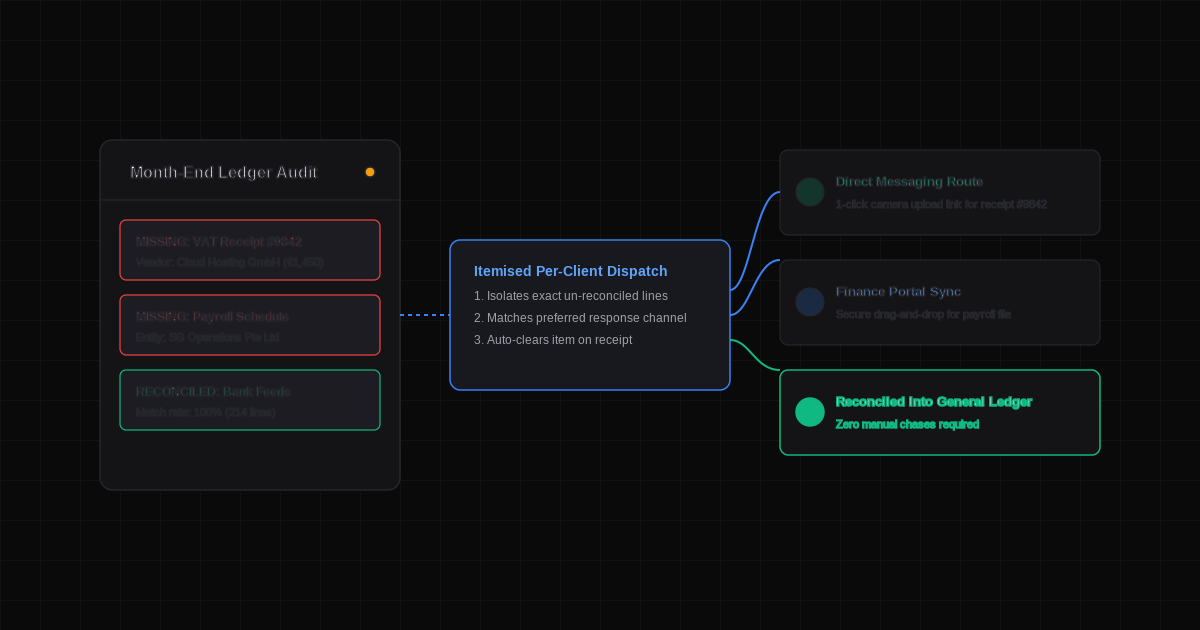
Accounting and advisory firms lose days every month asking clients for the same missing records. Here is how targeted, multi-channel requests replace the reminder cycle.
Quotes, contracts, and invoices live in disconnected tools. Small data mismatches turn into disputes, delayed collections, and lost revenue. Here is how to fix them.
Customer demand does not stop when the office closes at 18:00. Here is how expanding enterprises capture and qualify after-hours demand without staffing night shifts.
Moving physical inventory requires an immense paper trail. Here is how expanding businesses automate the clerical coordination that surrounds physical goods.
The signals that reveal an existing client is ready for an expansion purchase already sit in your operational tools. Here is how to act on them automatically.
Past buyers represent your highest-trust, lowest-cost commercial audience. Here is how to build a continuous operational engine to reactivate dormant customers.
Declined contracts and deferred client projects never appear on executive financial statements. Here is the true commercial cost of turning away work.
Clients rarely leave without warning. Long before a formal cancellation email arrives, operational telemetry reveals clear signals of account decay. Here is how to track them.
Administrative drag accumulates quietly inside departmental handoffs and clerical tasks. Here is how to strip out operational waste while preserving client service.
Unclosed quotes and stalled enquiries represent massive sunk commercial investment. Here is a disciplined operational method to reactivate dormant opportunities.
Service quality rarely collapses during individual task execution; it slips at the handoffs between teams. Here is how to standardize delivery so scale never dilutes quality.
Winning more business should accelerate an enterprise, not paralyze operations. Here is how to standardize and scale client onboarding without expanding headcount.
Delays rarely occur inside individual tasks; they accumulate in the dead space between departments. Here is how to locate and monitor the exact handoffs where work stalls.
As corporate headcount expands, internal HR administration multiplies exponentially. Here is how to scale HR operations without growing administrative headcount.
Enterprise sales conversion is fiercely sensitive to proposal speed. Here is why quote preparation slows down and how to compress turnaround times.
Leaders spend days waiting for staff to compile weekly reporting packs before they can see business health. Here is how to eliminate the compilation step entirely.
When business growth stalls, executive teams routinely blame lead volume or pipeline conversion. Here are five observable signs that operations is the true bottleneck.
Client agreements rarely lapse because someone decided to cancel. They lapse because renewal dates sit on unowned calendars. Here is why it happens and how to fix it.
Finance teams spend days closing the ledger only to issue revisions a week later. Here is where the time goes during month-end close and why final numbers so rarely are.
Account executives spend less than half their week actually selling. Here is where the remaining hours vanish and how to strip administrative drag from sales teams.
Demand spikes routinely break operational workflows that function smoothly at normal volume. Here is how to prepare workflows to absorb surges without seasonal hiring cycles.
Before hiring more staff to handle operational growth, leaders need to know where existing hours go. Here is a practical method to audit repeating work.
Enterprises spend substantial budgets winning customer attention, only to let enquiries sit cold in inboxes. Here is what slow response time genuinely costs.
Four out of five supplier invoices match internal records cleanly, but the remaining twenty percent consume weeks of clerical effort. Here is how to fix the bottleneck.
An inbound sales process that runs smoothly on fifty leads a week collapses when volume reaches five hundred. Here is the operational sequence required to scale.
Software vendors promise transformative productivity gains, but few provide an objective framework to prove it. Here is how to measure operational change honestly.
Software demos showcase impressive interface features, but real operational leverage is measured in revenue, capacity, and cost. Here is how to evaluate a provider.
When transaction volume grows, the default response is recruiting more staff. But before adding payroll, leaders can unlock the hidden capacity trapped inside routine tasks.
Between signing a client contract and collecting the final balance, money quietly disappears in handoff gaps. Here is how revenue leakage happens across the cycle.
Most companies know repetitive tasks waste time, but few calculate what that work genuinely costs. Here is an objective formula to quantify the operational drag.
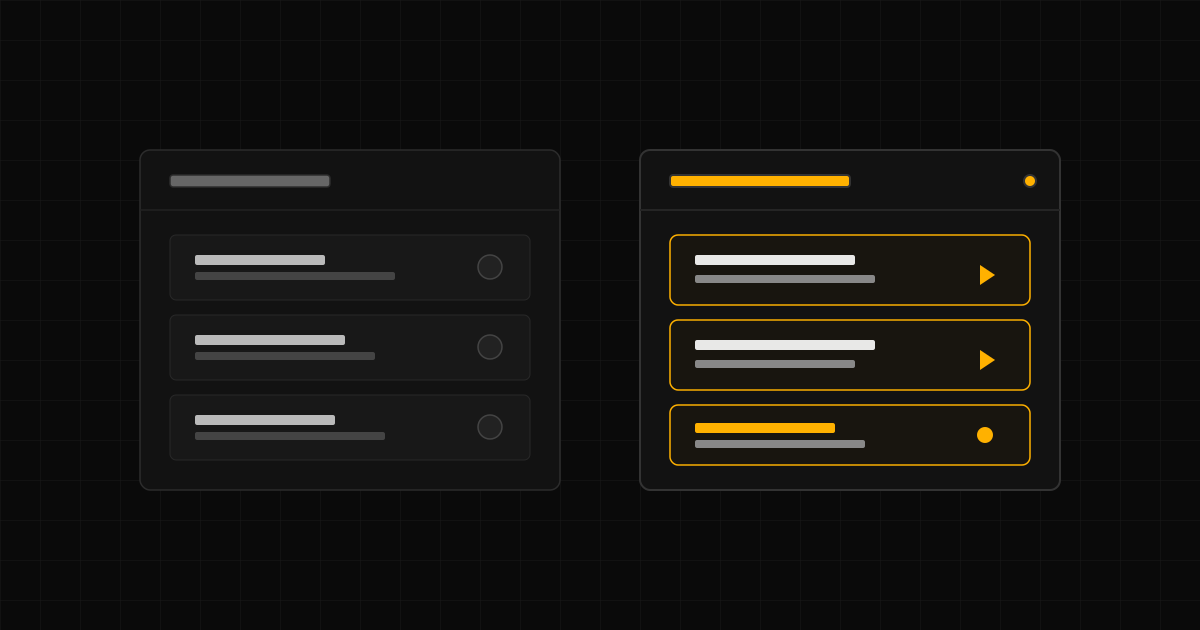
Buying a software license delegates implementation and maintenance to your internal team. Here is an honest examination of the tradeoffs between self-serve and done-for-you models.
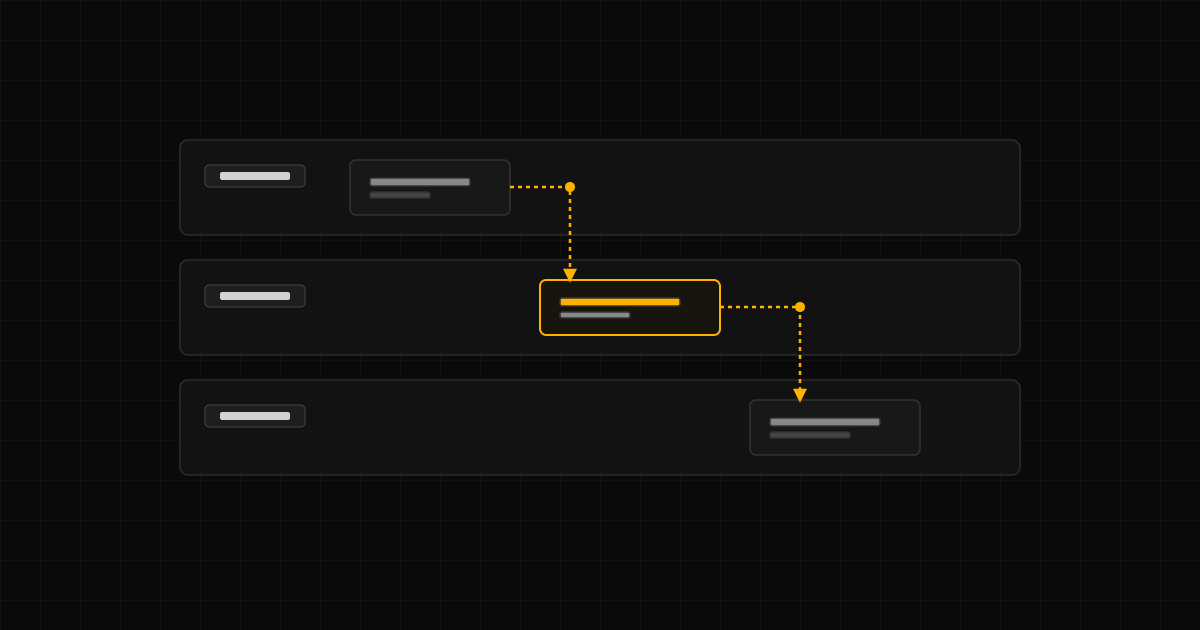
Operational delays rarely happen inside a single department; they happen in the handoffs between them. Here is how connected AI automation bridges the operational divide.
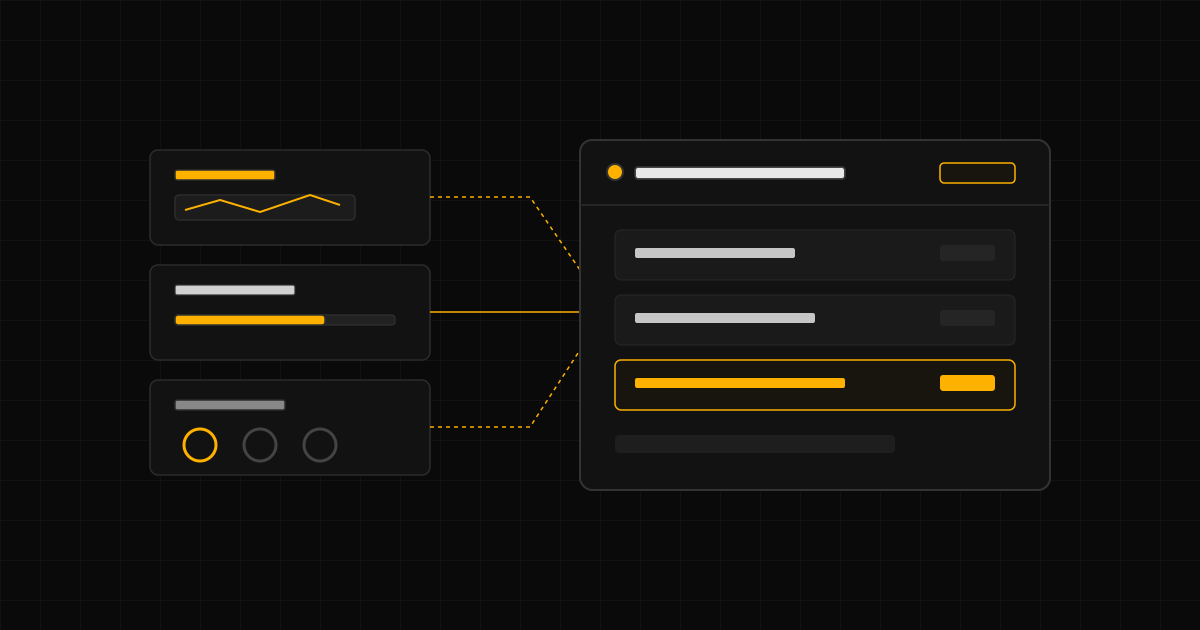
Business owners spend Monday mornings sitting in long status meetings just to learn where the business stands. Here is how a connected AI system delivers real-time briefings instead.
Human resources teams spend hours copying employee data and answering basic policy questions. Here is how AI automation resolves the admin burden while preserving human empathy.
Following a purchase request from submission to delivery reveals where operational momentum stalls. Here is where AI agents assist and where human buyers make the call.
Collections gets executive attention, but finance teams lose far more hours to transaction matching and month-end assembly. Here is how AI handles the clerical groundwork.
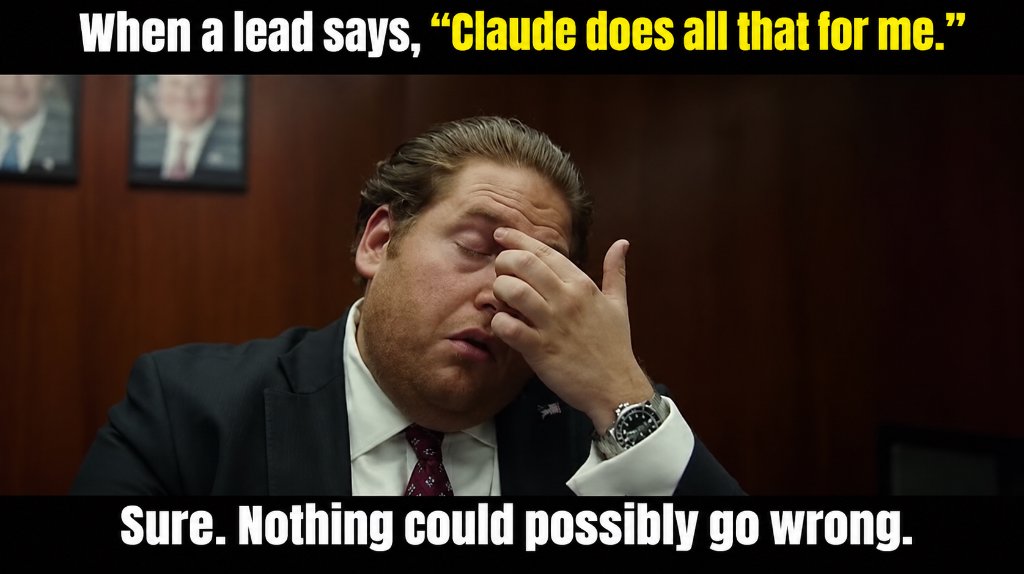
"Claude does that for me" is what a lot of business owners say about AI. They're not wrong about the capability. They're just not asking what they're giving up for it.
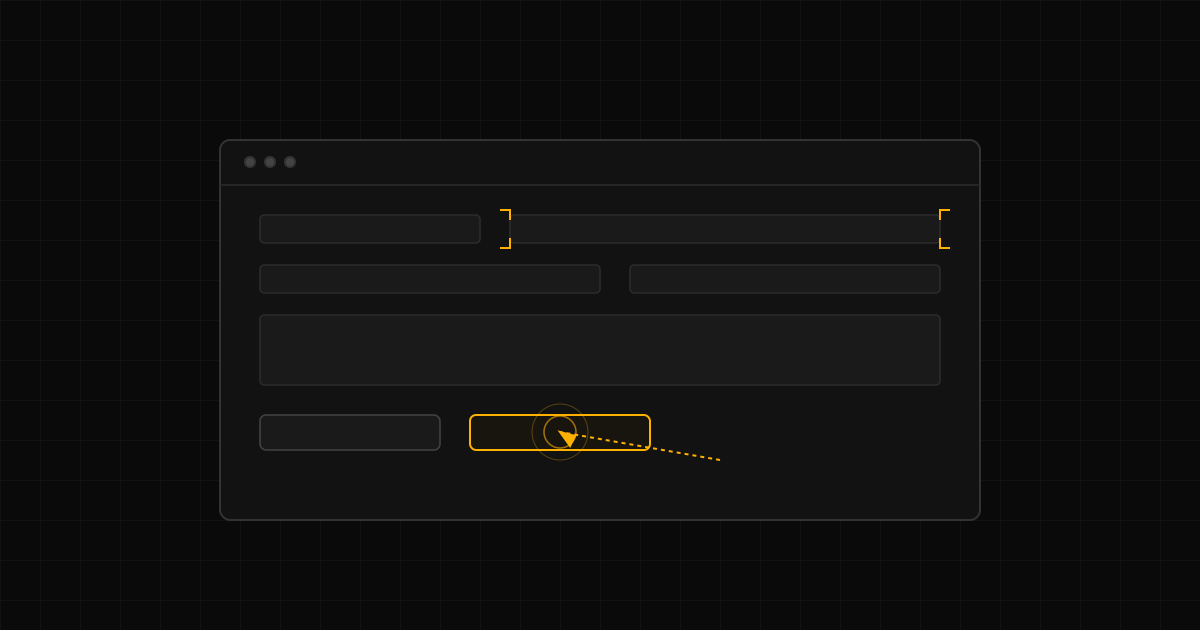
Most automation fails when software lacks an API. Here is how modern AI agents navigate legacy portals and screens the way a person at a keyboard would.

Choosing the wrong workflow to automate burns time and credibility. Here is a clear decision test to select your first high-leverage process.

Copilots assist one person. Agents handle one task. An AI operating system connects operations across departments. Here is how to choose.
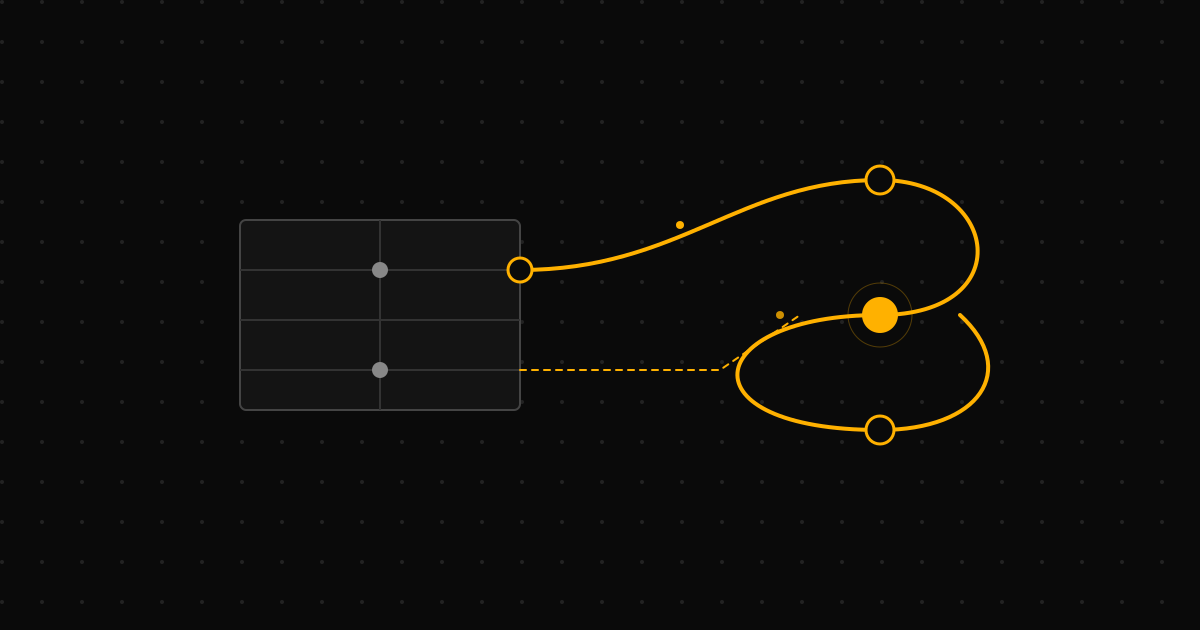
An ERP records what happened. An AI operating system acts on what needs to happen next. Here is where the line sits between record and action.
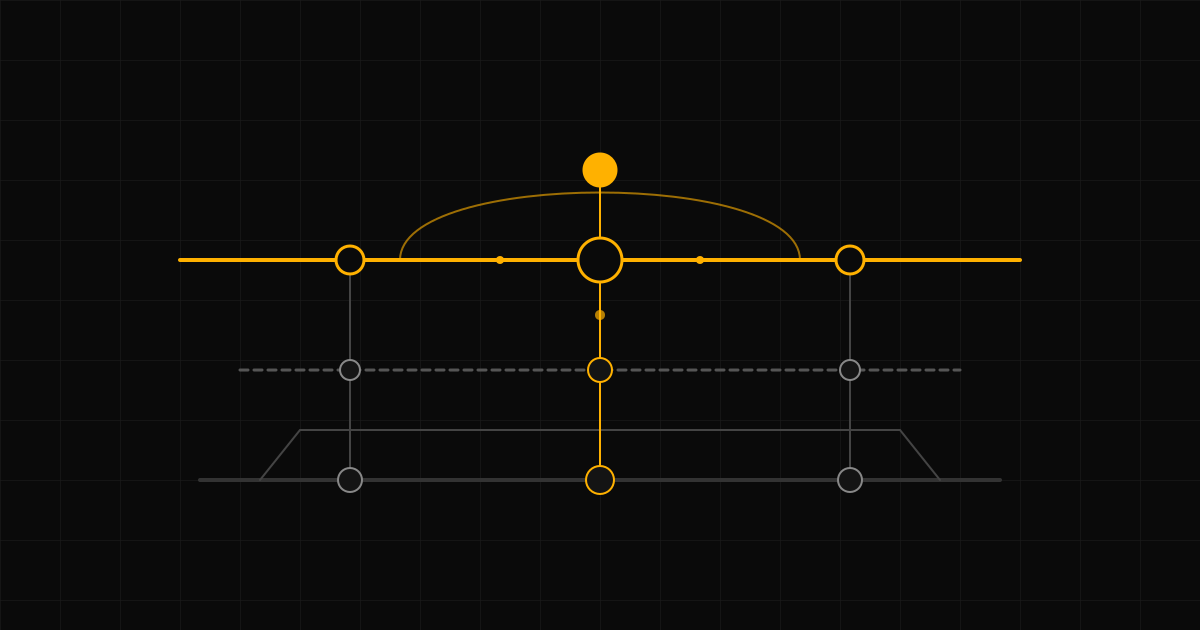
An AI operating system is not a single tool or chatbot. Here is what is actually under the hood across its coordination layers.
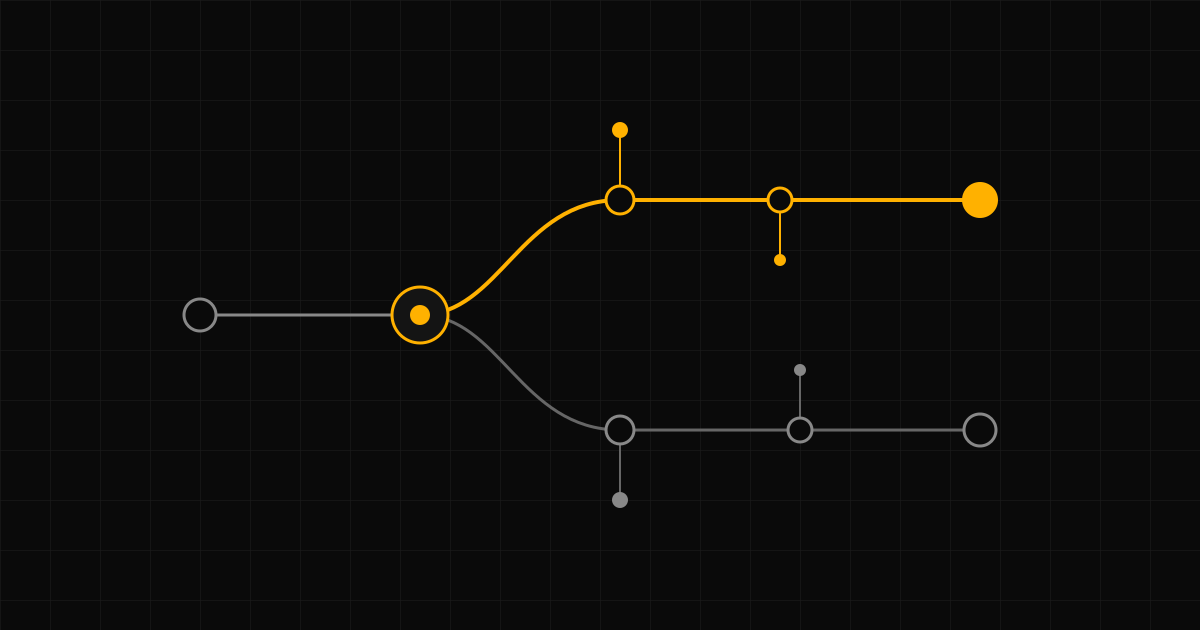
Before adding another coordinator to payroll, it pays to understand the real math. Here is a clear framework for deciding when to automate vs hire.

Most sales follow-ups die after day two or three because reps get pulled into daily firefighting. Here is how AI tools for sales follow-up maintain momentum.
Uncollected invoices stall cash flow not because clients refuse to pay, but because manual follow-up falls apart. Here is how AI in accounts receivable fixes the problem.

Most "AI tools" automate one task. An AI operating system runs several connected parts of a business at once. Here's what that actually means in practice, and what to look for before you adopt one.

RPA and AI often get lumped together, but they solve different problems. Here's what RPA actually does, where it breaks down, and how AI agents are built differently.

AI agents don't just run scripts, they interpret situations and act within set limits. Here's what that means in practice, with two concrete examples of an agent handling a full process end to end.

Yes, AI operating systems exist in practical use today, though the term gets applied loosely. Here's what actually qualifies, and what doesn't.

Beyond the hype, here are concrete, grounded ways AI can actually help a small or mid-size business run day-to-day operations, without needing to hire more people.